


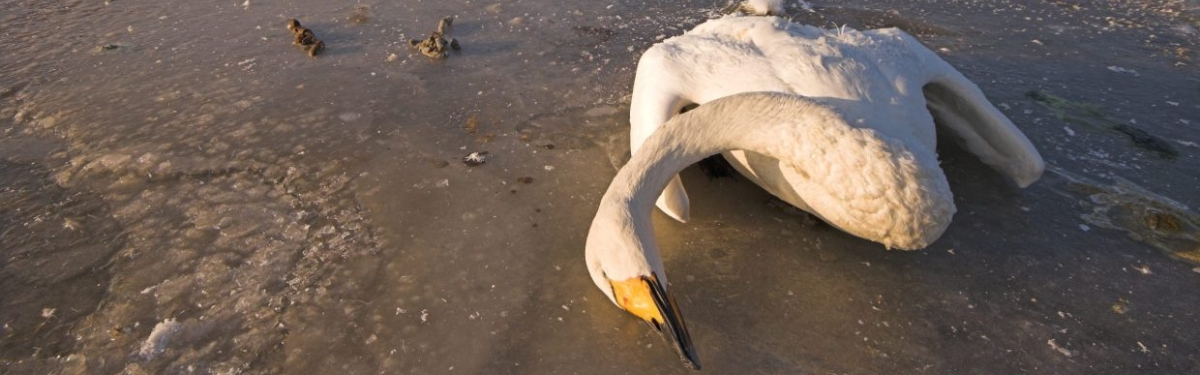
EU Commission proposes ban on lead ammunition and fishing weights, but loopholes remain.
On February 27th of 2025, the EU Commission presented a proposed ban on lead ammunition and fishing weights to EU representatives in the REACH Committee. Earlier the same week, the European Commission took a major step towards banning lead in hunting, sports shooting, and fishing by publishing a long-awaited draft regulation. Based on the European Chemicals Agency’s recommendations, the proposal aims to protect human health and the environment.
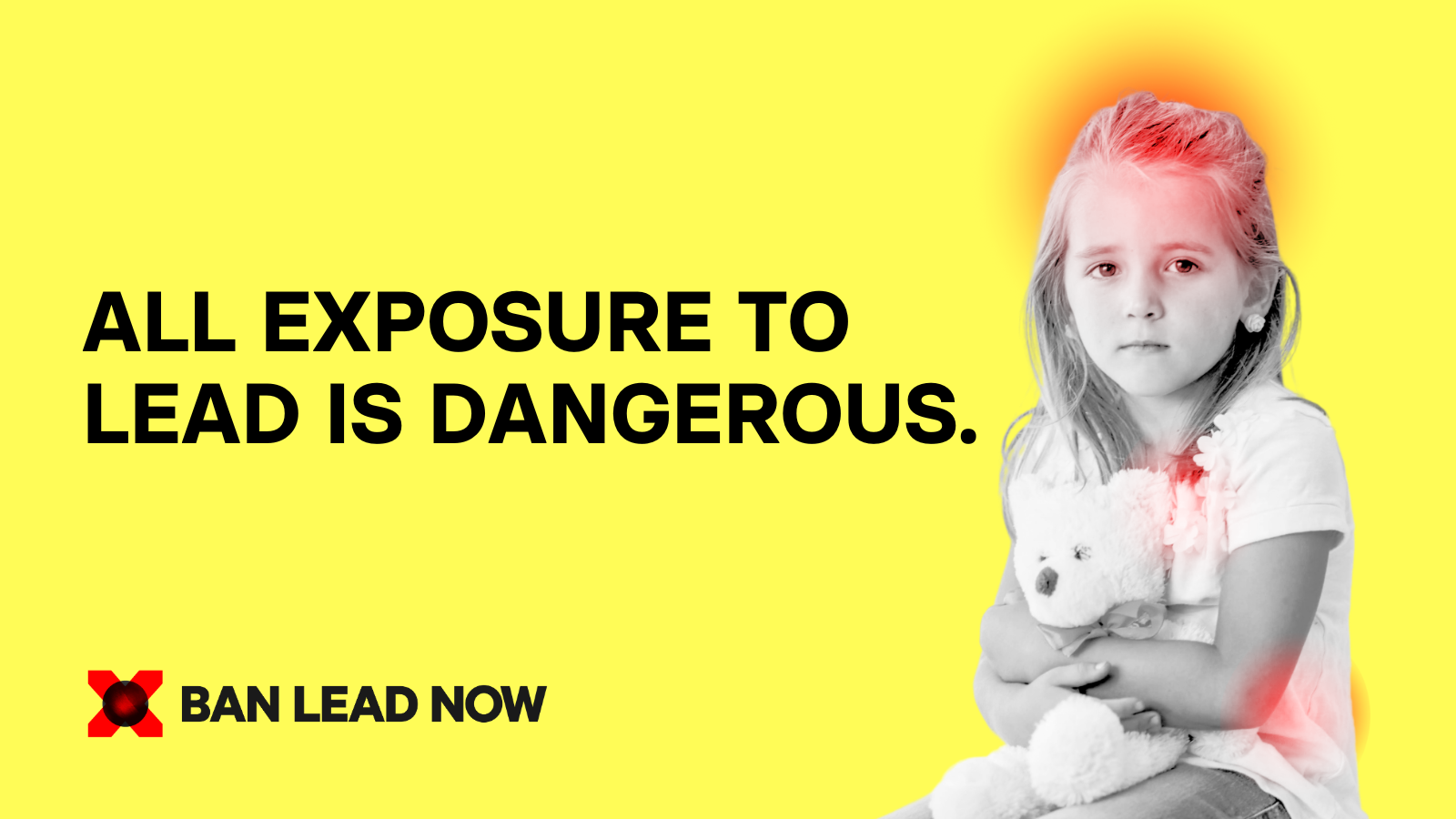
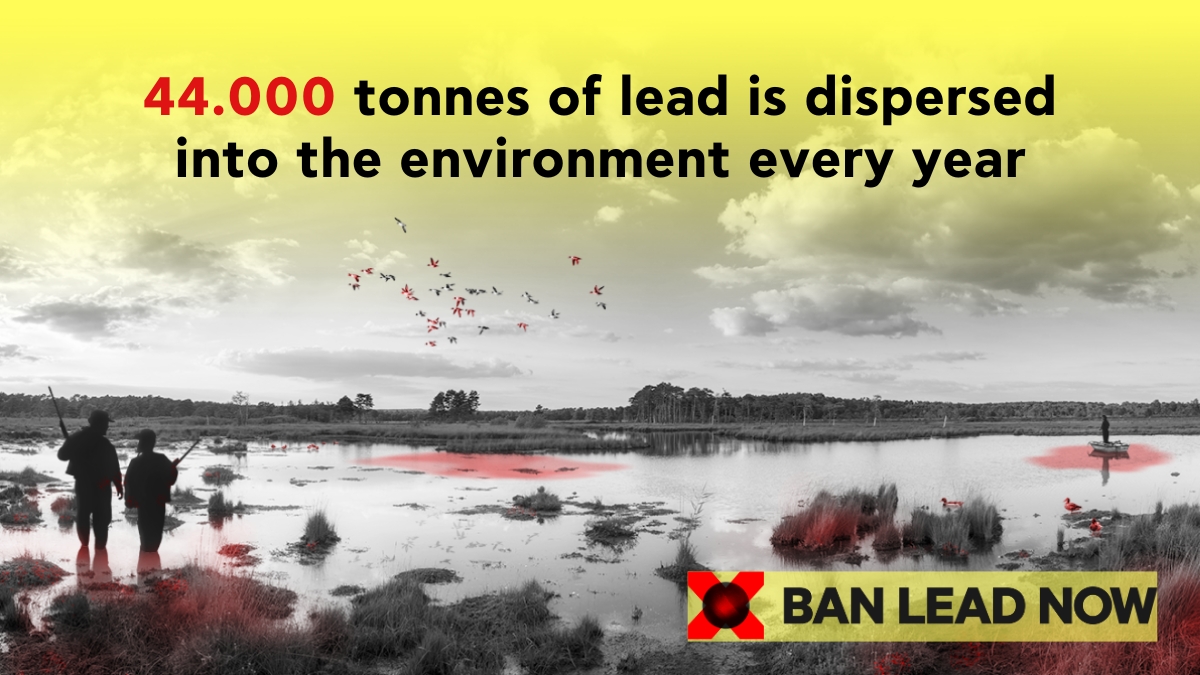
Lead is highly toxic and is banned in petrol, paint, and water pipes in Europe due to its severe health risks. Despite this, 44.000 tonnes of lead ammunition and fishing weights are still spread across Europe’s environment annually, poisoning wildlife, contaminating water and soil, and putting people, pets, and livestock at risk. There is no safe level of lead exposure, and an estimated 1.000.000 children across Europe are currently at risk of lead exposure from ammunition.
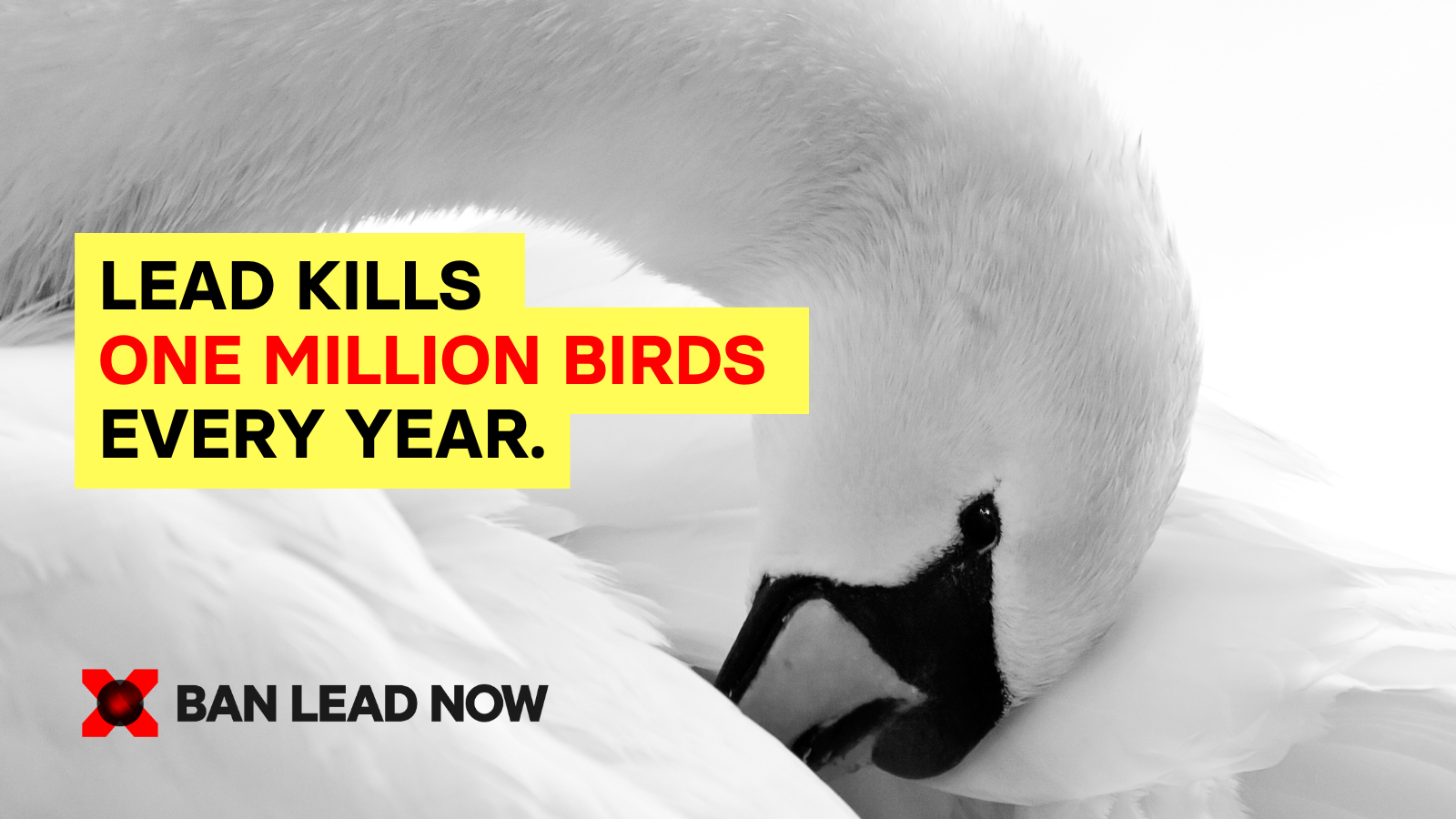
The proposal includes strong measures to cut lead exposure from hunting and fishing, significantly reducing risks for people, wildlife, and pets. Stopping wildlife and livestock from ingesting lead particles will prevent most poisoning cases. Banning lead in hunting will also protect those who eat game meat, including hunters and their families, as well as pets fed contaminated food. The ban on lead fishing weights is another key step, shielding fishers from exposure and preventing poisoning in swans, waterfowl, and other species.
However, the proposal falls short of addressing lead pollution from sports shooting effectively. Weaker clean up requirements and long timelines will allow lead to persist in the environment. The lack of bullet restrictions also raises concerns about soil contamination and human exposure. Additionally, these and other derogations [full metal jackets and non-expanding open-tip match bullets, shot and bullets for muzzle-loading and historic firearms including modern replicas, bullets for sports shooting in traditional rituals and intangible cultural heritage events and of community festive events taking place within a limited area where lead recovery is performed, bullets for seal hunting if user permitted to hunt seals by Member States] could enable illegal use. Addressing these loopholes is essential to ensuring an effective ban.
Barbara Herrero, Senior Nature Conservation Policy Officer, BirdLife Europe:
“The case for a lead ban is undeniable. Safe, effective, and affordable alternatives already exist. If EU countries like Denmark have done it, why hasn’t the rest of Europe? There’s no excuse to continue poisoning people, nature, and wildlife. It’s time to get the lead out of shooting and fishing for good. We urge EU representatives to close loopholes and back a full, science-based ban for Europe and its citizens.”
In the coming months, the REACH Committee will discuss and vote on the proposal. Once approved, the European Parliament and Council will review the draft regulation. If there are no objections, the ban on lead ammunition and fishing weights will become law.
While this proposal is a significant step forward, it also contains loopholes, particularly concerning sports shooting, that could undermine its effectiveness.
It's crucial to close these gaps and enforce a comprehensive, science-based ban. Let's urge the EU to take decisive action against lead poisoning!
Learn more and SIGN THE PETITION, for a non-toxic future for us and nature: