


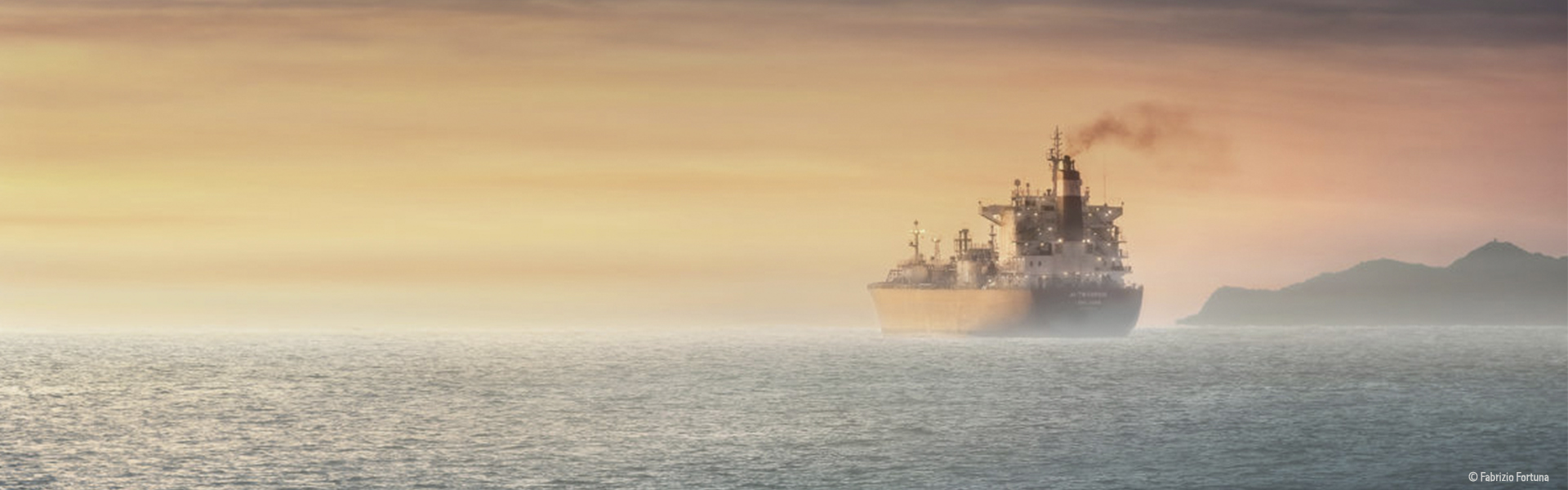
The Sulphur Emission Control Area is now in effect in the Mediterranean Sea: A historic step for public health and environmental protection.
The Sulphur Emission Control Area (SECA) officially came into force for the entire Mediterranean Sea on May 1st, 2025. Under the new regulation, ships operating in the area are required to drastically reduce their toxic air pollutant emissions, as the sulphur content of their fuel should not exceed 0,10%. This represents a decrease by factor five compared to former regulation and marks a decisive step toward improving air quality in the region.
The implementation of the new regulation is expected to decrease toxic air pollution exposure of approximately 250 million people. Scientific studies show that the decreased air pollutant concentration will benefit both aquatic and land ecosystems, preventing acidification and other harmful environmental effects. At the same time, the human health benefits are significant, with estimates indicating the prevention of 1,100 premature deaths and 2,300 new cases of childhood asthma every year.
Ιn contrast to North and Baltic Sea Emission Control Areas, as well as to the most recently agreed North-Atlantic ECA, the Mediterranean Emission Control Area does not include nitrogen oxides. Although the SECA’s stricter rules represent a major success in reducing sulphur and particulate matter emissions, nitrogen oxide emissions remain under-regulated. Therefore it is important to go the next step to put forward a regulatory framework that closes this gap and also harmonizes regulation throughout Europe. High concentrations of nitrogen oxides lead to summer smog in Mediterranean cities, a phenomenon that seriously threatens public health.
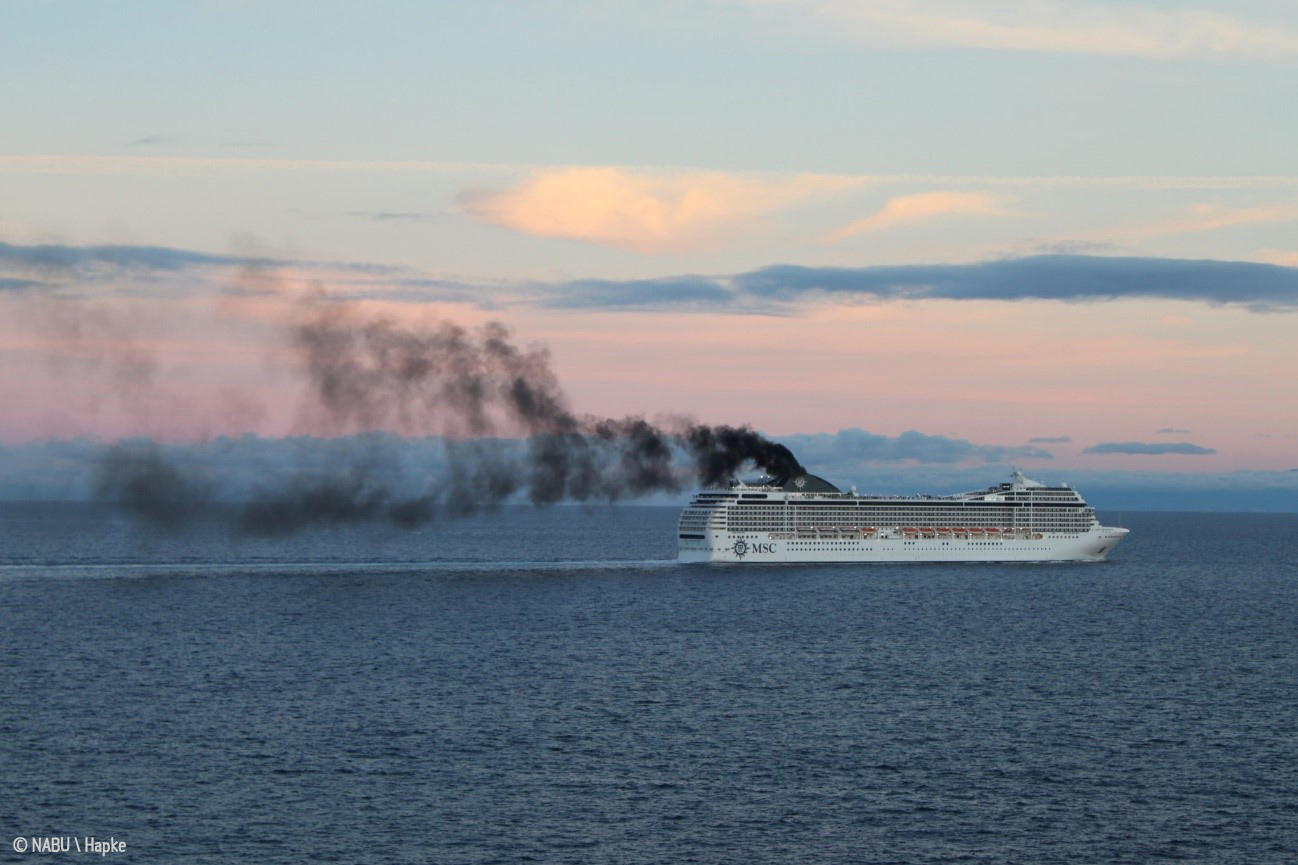
Nitrogen dioxide measurements taken in Mediterranean port cities in 2024 by Nature and Biodiversity Conservation Union (NABU / BirdLife Germany) and partner organizations, including the Hellenic Ornithological Society, show that 24% of the ports, including those in Italy, Spain, and Greece, exceeded the legal annual EU’s limit value for the protection of human health. Moreover, the World Health Organization’s (WHO) limit value was even exceeded in 97% of the measurements. In some areas, nitrogen dioxide emissions were more than twice as high as legally permitted by the EU annual values. These results underline the urgent need for tight regulations of nitrogen oxide emissions from ships in order to ensure compliance with existing EU limits. The establishment of a Nitrogen Emission Control Area (NECA) represents a clear and necessary step, which needs to be undertaken in the near future.
NABU, in collaboration with a broad Coalition of NGOs (MedECA network), led efforts to establish an Emission Control Area in the Mediterranean. In 2017, the Coalition launched their “Rome Declaration,” urging policymakers to take action on shipping related air pollution and work in particular towards the establishment of a Mediterranean Emission Control Area. This initiative served as the starting point that eventually led to SECA's official implementation in the Mediterranean.
"We are happy to welcome the successful implementation of this new Emission Control Area. It will reduce toxic air pollution exposure for 250 million people around the Mediterranean Sea and decrease acidification and toxification of water and soil. Unfortunately, not all ships will switch to clean fuels, but some may choose to comply by exhaust aftertreatment. By allowing such sulphur scrubbers as a mode of compliance we miss the chance to get rid of toxic heavy fuel oil and its threats to marine life. It’s time to ban this loophole that prolongs the utilization of the world's most toxic fuels in shipping.” says Sönke Diesener, Shipping Expert at NABU.
“The designation of the Mediterranean as a Sulphur Emission Control Area (SECA) marks a decisive step toward improving air quality for millions of people. However, it is equally essential to establish a Nitrogen Oxide Emission Control Area (NECA) in order to further mitigate air pollution and protect both public health and the environment. Given that the latest measurements in Greek ports have shown excessive levels of air pollution -particularly in the port of Piraeus - now is the time to take proactive action and address this problem effectively.” says Giorgos Papadimitriou, Environmental Policy Officer at Hellenic Ornithological Society.
